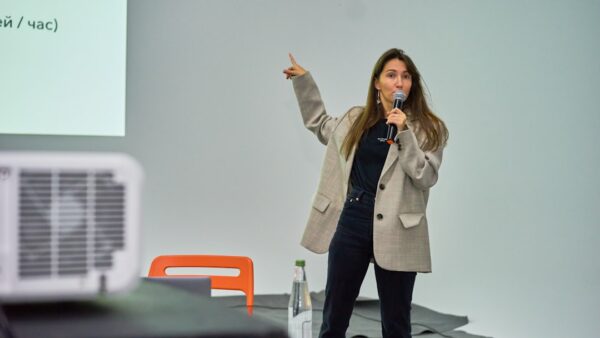
Effective communication is a cornerstone of our personal and professional lives. It shapes our relationships, influences our decisions, and drives our success. When we communicate effectively, we convey our thoughts and ideas clearly, fostering understanding and collaboration. This ability to articulate our messages not only enhances our interactions but also builds trust and rapport with others. We recognize that effective communication is not merely about speaking; it encompasses listening, non-verbal cues, and the ability to adapt our message to suit our audience. By honing these skills, we can create a more inclusive environment where everyone feels valued and heard.
Moreover, the power of effective communication extends beyond individual interactions. In teams and organizations, clear communication can lead to improved productivity and innovation. When we share information openly and encourage dialogue, we cultivate a culture of transparency and engagement. This environment allows for the free exchange of ideas, which can spark creativity and drive collective problem-solving. As we embrace the power of effective communication, we not only enhance our own capabilities but also contribute to the success of those around us.
Overcoming the Fear of Public Speaking
Public speaking is often cited as one of the most common fears people face. We may find ourselves feeling anxious at the thought of addressing an audience, worrying about judgment or making mistakes. However, overcoming this fear is essential for personal growth and professional advancement. We can start by recognizing that this fear is a shared experience; many individuals feel the same way. By acknowledging our anxiety, we can begin to take steps to confront it head-on.
One effective strategy for overcoming the fear of public speaking is practice. The more we expose ourselves to speaking opportunities, the more comfortable we become. We can start small by speaking in front of friends or family, gradually increasing the size of our audience as our confidence grows. Additionally, we can utilize techniques such as visualization and deep breathing to calm our nerves before stepping onto the stage. By reframing our mindset and viewing public speaking as an opportunity to share our knowledge rather than a performance to be judged, we can transform our fear into excitement.
Building Confidence and Leadership Skills
As we engage in effective communication and public speaking, we naturally begin to build our confidence and leadership skills. Confidence is not just about feeling good about ourselves; it is about believing in our abilities and having the courage to take risks. When we communicate effectively, we project confidence, which in turn inspires others to trust us and follow our lead. This dynamic is crucial in leadership roles, where the ability to influence and motivate others is paramount.
Leadership is not solely about authority; it is about inspiring others to achieve a common goal. As we develop our communication skills, we also cultivate empathy and active listening—key components of effective leadership. By understanding the perspectives of those around us, we can foster collaboration and create a sense of belonging within our teams. As we continue to grow in these areas, we become more adept at navigating challenges and guiding others through change, ultimately enhancing our effectiveness as leaders.
Networking Opportunities
Networking is an invaluable aspect of professional development that often hinges on effective communication. When we engage with others in our field or related industries, we open doors to new opportunities and collaborations. Building a strong network requires us to communicate our goals, interests, and expertise clearly. By doing so, we can connect with like-minded individuals who share our passions and aspirations.
Moreover, networking allows us to learn from others' experiences and insights. As we engage in conversations with diverse professionals, we gain new perspectives that can inform our own practices. These interactions can lead to mentorship opportunities, partnerships on projects, or even job offers. By actively participating in networking events and utilizing platforms like LinkedIn, we can expand our reach and establish meaningful connections that contribute to our career growth.
Constructive Feedback and Supportive Environment
Creating a culture of constructive feedback is essential for personal and professional development. When we foster an environment where feedback is welcomed and encouraged, we empower ourselves and others to grow. Constructive feedback helps us identify areas for improvement while also recognizing our strengths. It is important for us to approach feedback with an open mind, viewing it as an opportunity for growth rather than criticism.
In a supportive environment, we feel safe to express ourselves and take risks without fear of judgment. This sense of security encourages creativity and innovation, allowing us to explore new ideas and approaches. As we engage in open dialogue with colleagues or peers, we can share insights and experiences that contribute to collective learning. By cultivating this supportive atmosphere, we not only enhance our own development but also uplift those around us.
Developing Critical Thinking and Listening Skills
Effective communication goes hand in hand with critical thinking and active listening skills. As we engage in conversations, it is crucial for us to not only express our thoughts but also to listen attentively to others. Active listening involves fully concentrating on what is being said rather than merely waiting for our turn to speak. By practicing active listening, we demonstrate respect for others' viewpoints and create a more inclusive dialogue.
Critical thinking complements this process by enabling us to analyze information critically and make informed decisions. When we communicate effectively, we can articulate our reasoning clearly while also considering alternative perspectives. This ability to think critically allows us to engage in meaningful discussions that challenge assumptions and promote deeper understanding. As we develop these skills together, we become more adept at navigating complex issues and fostering collaborative problem-solving.
Adapting to Virtual Communication
In today's digital age, adapting to virtual communication has become increasingly important. As remote work and online collaboration have become the norm, we must learn how to communicate effectively through various digital platforms. This shift presents both challenges and opportunities for us as communicators. While virtual communication may lack some of the nuances of face-to-face interactions, it also allows us to connect with individuals across geographical boundaries.
To thrive in virtual communication, we need to be mindful of how we present ourselves online. Clear articulation of ideas becomes even more critical when using written communication or video conferencing tools. We should also pay attention to non-verbal cues such as body language and tone of voice during virtual meetings. By adapting our communication style to suit the medium, we can maintain engagement and foster connection even in a digital landscape.
Navigating Cultural and Language Barriers
As we engage with diverse individuals from various cultural backgrounds, navigating cultural and language barriers becomes essential for effective communication. We must recognize that different cultures have unique communication styles, norms, and values that influence how messages are conveyed and received. By being culturally aware, we can approach conversations with sensitivity and respect.
Language barriers can also pose challenges in communication; however, they offer an opportunity for growth as well. When communicating with individuals who speak different languages, patience and clarity are key. We can utilize visual aids or simple language to ensure understanding while also being open to learning from others' perspectives. By embracing diversity in communication styles, we enrich our interactions and foster a more inclusive environment.
Enhancing Professional Development
Effective communication plays a pivotal role in enhancing our professional development journey. As we refine our communication skills, we become more adept at articulating our goals, aspirations, and achievements. This clarity allows us to advocate for ourselves in various professional settings—whether during performance reviews or networking events.
Furthermore, strong communication skills enable us to collaborate effectively with colleagues across departments or teams. By fostering open lines of communication, we can share knowledge and resources that contribute to collective success. As we continue to develop these skills throughout our careers, we position ourselves as valuable contributors within our organizations.
Fostering a Community of Lifelong Learners
In today's rapidly changing world, fostering a community of lifelong learners is essential for personal growth and professional success. Effective communication serves as a catalyst for this community-building process. When we share knowledge and experiences with one another, we create an environment where continuous learning thrives.
By engaging in discussions that encourage curiosity and exploration, we inspire each other to seek new opportunities for growth. Whether through workshops, seminars, or informal gatherings, these interactions allow us to exchange ideas that challenge conventional thinking. As members of this community of learners, we support one another's journeys while collectively advancing toward shared goals.
The Timeless Value of Face-to-Face Interaction
Despite the rise of digital communication tools, the timeless value of face-to-face interaction remains unparalleled. There is something inherently powerful about connecting with others in person—whether through eye contact, body language, or shared experiences. These interactions foster deeper relationships built on trust and understanding.
Face-to-face communication allows us to convey emotions more effectively than through screens or written messages alone. The nuances of human interaction—such as laughter or empathy—are often lost in virtual exchanges but come alive when we engage directly with one another. As we navigate both digital landscapes and in-person connections, let us not forget the profound impact that genuine human interaction has on building relationships that endure over time.
In conclusion, effective communication is a multifaceted skill that empowers us in various aspects of life—from overcoming fears to enhancing professional development. By embracing opportunities for growth in this area, we cultivate confidence as leaders while fostering connections within diverse communities. As lifelong learners committed to continuous improvement, let us harness the power of effective communication to navigate challenges together while celebrating the richness of human interaction along the way.
FAQs
What is Toastmasters and what does it aim to achieve?
Toastmasters is a global nonprofit organization dedicated to improving public speaking and leadership skills. It provides a supportive environment where members practice communication, gain confidence, and develop leadership abilities through structured meetings and feedback.
Why is Toastmasters relevant in today's noisy and fast-paced world?
In a world saturated with information and distractions, effective communication remains crucial. Toastmasters helps individuals cut through the noise by teaching clear, concise, and impactful speaking skills, enabling them to connect with audiences and convey messages effectively.
How does Toastmasters help improve communication skills?
Toastmasters offers a proven educational program with prepared speeches, impromptu speaking exercises, and constructive evaluations. Members receive regular practice and feedback, which helps them refine their speaking style, organize thoughts, and build confidence.
Can Toastmasters benefit professionals outside of public speaking careers?
Yes, Toastmasters benefits professionals across all fields by enhancing interpersonal communication, leadership, and presentation skills. These competencies are valuable in meetings, negotiations, team management, and networking, making members more effective in their careers.
Is Toastmasters accessible to people of all experience levels?
Absolutely. Toastmasters welcomes individuals at all skill levels, from beginners to experienced speakers. The supportive club environment encourages gradual improvement, allowing members to progress at their own pace while receiving mentorship and peer support.