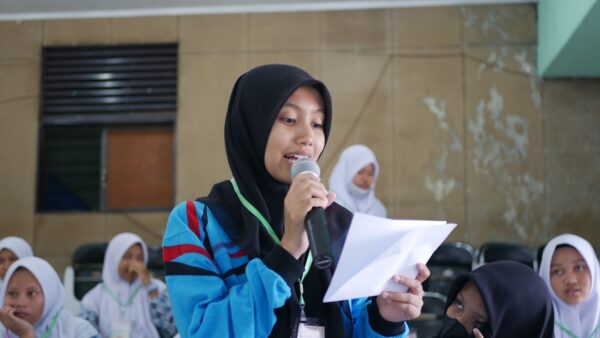
As we embark on our journey through the world of public speaking, we often find ourselves grappling with the concept of thinking on our feet. Toastmasters International, a global organization dedicated to improving communication and leadership skills, serves as a beacon for those of us seeking to enhance our impromptu speaking abilities. Founded in 1924, Toastmasters has grown into a supportive community where individuals from diverse backgrounds come together to practice and refine their speaking skills. The organization emphasizes the importance of effective communication, and one of the key components of this is the ability to think quickly and articulate thoughts clearly in spontaneous situations.
In our experience, thinking on our feet is not merely a skill; it is an art form that can be cultivated through practice and dedication. Whether we are participating in a Toastmasters meeting or engaging in everyday conversations, the ability to respond thoughtfully and coherently under pressure is invaluable. This article will explore how Toastmasters fosters this essential skill, the significance of quick thinking in communication, and the various techniques we can employ to enhance our impromptu speaking capabilities.
The Importance of Thinking on Your Feet in Communication
Thinking on our feet is crucial in various aspects of communication, particularly in situations that require immediate responses. In both personal and professional settings, we often encounter scenarios where we must articulate our thoughts without prior preparation. This skill allows us to engage in meaningful conversations, contribute to discussions, and navigate unexpected challenges with confidence. When we can think quickly and respond effectively, we not only convey our ideas more clearly but also demonstrate our ability to adapt to changing circumstances.
Moreover, the ability to think on our feet fosters better relationships with others. When we engage in conversations that require quick thinking, we show that we are actively listening and invested in the dialogue. This responsiveness can lead to deeper connections and more productive interactions. In a world where effective communication is paramount, honing our ability to think on our feet can set us apart and enhance our overall effectiveness as communicators.
How Toastmasters Improves Impromptu Speaking Skills
Toastmasters provides a structured environment where we can practice and improve our impromptu speaking skills through various activities and exercises. One of the most notable components of Toastmasters meetings is the Table Topics session, where members are given a topic on the spot and asked to speak for one to two minutes. This exercise challenges us to think quickly, organize our thoughts, and deliver a coherent message within a limited timeframe. Through regular participation in these sessions, we become more comfortable with spontaneity and develop the ability to articulate our ideas under pressure.
Additionally, Toastmasters encourages a culture of constructive feedback, which plays a vital role in our growth as speakers. After each Table Topics session, fellow members provide evaluations that highlight strengths and areas for improvement. This feedback not only helps us identify specific aspects of our impromptu speaking that need work but also reinforces our confidence as we receive encouragement from our peers. Over time, this practice leads to significant improvements in our ability to think on our feet and communicate effectively.
Techniques and Strategies for Thinking on Your Feet
To enhance our impromptu speaking skills, we can employ various techniques and strategies that have proven effective for many Toastmasters members. One such technique is the "PREP" method, which stands for Point, Reason, Example, and Point. By structuring our responses using this framework, we can quickly organize our thoughts and present a clear argument or idea. Starting with a strong point captures the audience's attention, while providing reasons and examples adds depth to our message.
Another valuable strategy is to practice active listening. When we focus intently on what others are saying, we can respond more thoughtfully and relevantly. By paying attention to the nuances of a conversation, we can draw connections between our thoughts and those of others, leading to more engaging discussions. Additionally, incorporating pauses into our speech allows us to gather our thoughts before responding, which can significantly improve the clarity and coherence of our message.
Overcoming Fear and Nervousness in Impromptu Speaking
For many of us, the fear of public speaking can be daunting, especially when it comes to impromptu situations. However, Toastmasters provides a supportive environment that helps us confront these fears head-on. By participating in regular meetings and engaging in impromptu speaking exercises, we gradually desensitize ourselves to the anxiety associated with speaking on the spot. The more we practice, the more comfortable we become with uncertainty.
Moreover, it is essential for us to recognize that feeling nervous is a natural part of the speaking process. Embracing this nervousness rather than resisting it can empower us to channel that energy into our performance. Techniques such as deep breathing and visualization can also help calm our nerves before speaking. By focusing on positive outcomes and visualizing ourselves succeeding in impromptu situations, we can build resilience and confidence over time.
The Role of Feedback and Evaluation in Developing Quick Thinking Abilities
Feedback is an integral component of the Toastmasters experience that significantly contributes to our development as speakers. After each impromptu speaking exercise, receiving constructive evaluations from fellow members allows us to gain insights into our strengths and areas for improvement. This process not only helps us refine our quick thinking abilities but also encourages us to adopt a growth mindset.
In addition to formal evaluations, informal feedback from peers during discussions can also enhance our quick thinking skills. Engaging in conversations where we receive immediate responses helps us learn how to adapt our thoughts on the fly. By actively seeking feedback and being open to suggestions for improvement, we create an environment conducive to growth and development in our impromptu speaking abilities.
Building Confidence and Assertiveness through Toastmasters
One of the most significant benefits of participating in Toastmasters is the boost in confidence that comes from regular practice and constructive feedback. As we engage in impromptu speaking exercises, we gradually become more assertive in expressing our thoughts and ideas. This newfound confidence extends beyond the Toastmasters environment; it permeates various aspects of our lives, including personal relationships and professional interactions.
As we become more comfortable with thinking on our feet, we also develop a greater sense of self-assurance when faced with unexpected challenges. This assertiveness allows us to navigate difficult conversations with poise and clarity. Ultimately, the confidence we build through Toastmasters empowers us to take risks in our communication style and embrace opportunities for growth.
Developing Critical Thinking and Problem-Solving Skills
Thinking on our feet is closely linked to critical thinking and problem-solving abilities. In Toastmasters, we are often presented with topics that require us to analyze information quickly and formulate coherent responses. This practice sharpens our critical thinking skills as we learn to evaluate different perspectives and construct well-reasoned arguments on the spot.
Furthermore, engaging in impromptu speaking exercises encourages us to approach problems creatively. When faced with unexpected questions or topics during Table Topics sessions, we must think outside the box to provide relevant responses. This adaptability not only enhances our quick thinking abilities but also equips us with valuable problem-solving skills that can be applied in various contexts.
Applying Quick Thinking Skills in Professional and Personal Settings
The skills we develop through Toastmasters extend far beyond the confines of the meeting room; they have practical applications in both professional and personal settings. In the workplace, being able to think on our feet can lead to more effective collaboration during meetings, presentations, or negotiations. When unexpected questions arise or discussions take an unforeseen turn, our ability to respond thoughtfully can significantly impact outcomes.
In personal interactions as well, quick thinking enhances our communication skills during social gatherings or casual conversations. Whether we're engaging in small talk or navigating complex discussions with friends or family members, being able to articulate our thoughts clearly fosters deeper connections and enriches relationships.
The Impact of Thinking on Your Feet in Leadership and Decision Making
Effective leaders often possess strong quick-thinking abilities that enable them to make informed decisions under pressure. In Toastmasters, we learn that thinking on our feet is not just about responding quickly; it’s about making sound judgments based on available information while considering potential consequences. As we develop these skills through practice, we become better equipped to handle leadership roles both within Toastmasters and beyond.
Moreover, leaders who can think on their feet inspire confidence among their teams. When team members see their leaders responding decisively and articulately during challenging situations, it fosters trust and respect within the group. This dynamic creates an environment where open communication thrives, ultimately leading to more effective collaboration and problem-solving.
The Ongoing Benefits of Toastmasters in Enhancing Quick Thinking Abilities
In conclusion, Toastmasters serves as an invaluable platform for enhancing our quick thinking abilities through structured practice, constructive feedback, and supportive community engagement. As we navigate the challenges of impromptu speaking together, we cultivate essential skills that extend far beyond public speaking—skills that empower us in both personal and professional realms.
The ongoing benefits of participating in Toastmasters are profound; not only do we become more confident communicators, but we also develop critical thinking skills that enable us to navigate complex situations with ease. As we continue this journey together within Toastmasters, let us embrace every opportunity to think on our feet and refine our communication skills for a brighter future ahead.
FAQs
What is Toastmasters?
Toastmasters is an international nonprofit organization that helps individuals improve their public speaking, communication, and leadership skills through a supportive club environment.
How does Toastmasters help improve thinking on your feet?
Toastmasters provides opportunities for impromptu speaking through activities like Table Topics, where members practice delivering short, spontaneous speeches, enhancing their ability to think quickly and articulate ideas clearly.
What skills can I develop by participating in Toastmasters?
Participants can develop skills such as effective communication, quick thinking, confidence in public speaking, leadership, and the ability to organize thoughts coherently under pressure.
Who can join Toastmasters to improve their quick thinking?
Toastmasters is open to anyone interested in improving their communication and leadership skills, regardless of age, profession, or experience level.
How often do Toastmasters meetings occur, and what is their format?
Toastmasters clubs typically meet weekly or biweekly. Meetings include prepared speeches, impromptu speaking sessions, evaluations, and leadership opportunities, all designed to foster skill development in a structured yet supportive setting.