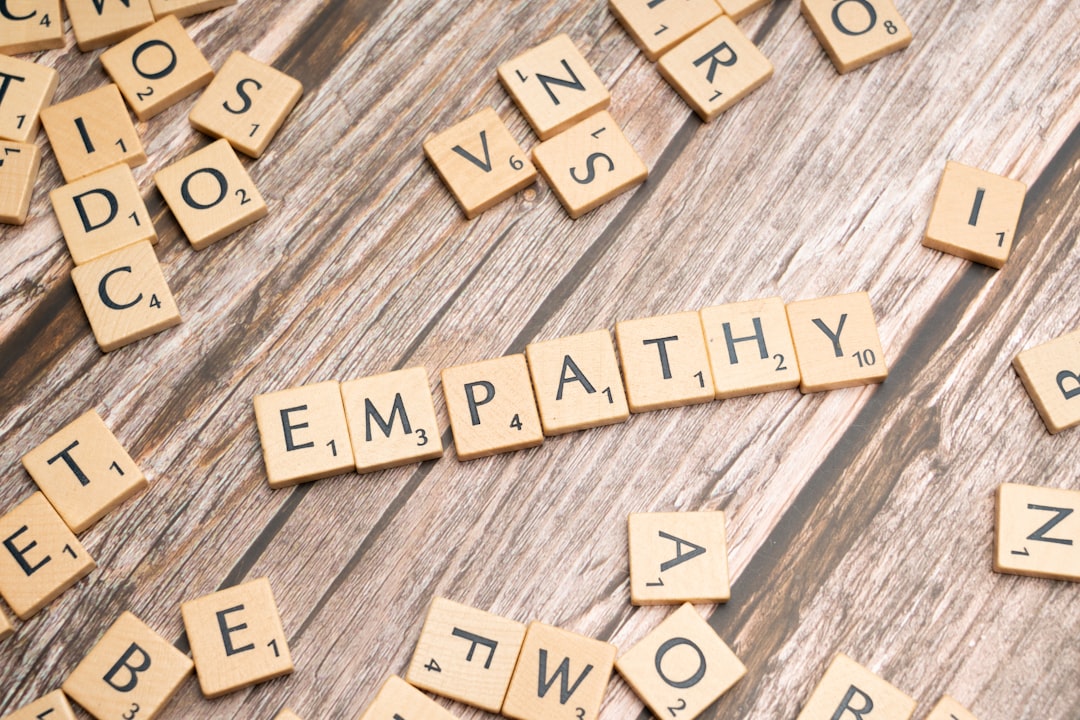
In our daily interactions, we often underestimate the power of empathy in communication. Empathy allows us to connect with others on a deeper level, fostering understanding and compassion. When we engage with someone empathetically, we are not merely exchanging words; we are sharing experiences and emotions. This connection can transform a simple conversation into a meaningful dialogue, where both parties feel heard and valued. By prioritizing empathy in our communication, we create an environment where open dialogue flourishes, leading to stronger relationships and more effective collaboration.
Moreover, empathy serves as a bridge that closes the gap between differing perspectives. In a world filled with diverse opinions and backgrounds, understanding the feelings and viewpoints of others is crucial. When we practice empathy, we acknowledge that everyone has their own unique experiences that shape their beliefs and reactions. This acknowledgment not only enriches our conversations but also encourages a culture of respect and inclusivity. By embracing empathy, we can navigate complex social dynamics and foster a sense of belonging among individuals from various walks of life.
The Science Behind Empathy and its Impact on Communication
The scientific exploration of empathy reveals fascinating insights into how it influences our communication patterns. Research indicates that empathy activates specific areas of the brain associated with emotional processing and social cognition. When we empathize with someone, our brain mirrors their emotional state, allowing us to understand their feelings more profoundly. This neurological response enhances our ability to respond appropriately in conversations, making our interactions more meaningful and impactful.
Furthermore, studies have shown that empathetic communication can lead to improved outcomes in various settings, from personal relationships to professional environments. When we approach conversations with empathy, we are more likely to engage in active listening and respond thoughtfully. This not only enhances the quality of our interactions but also reduces misunderstandings and conflicts. By understanding the science behind empathy, we can appreciate its vital role in shaping effective communication strategies that resonate with others.
How Empathy Enhances Listening and Understanding in Communication
Empathy plays a pivotal role in enhancing our listening skills, which are essential for effective communication. When we listen empathetically, we go beyond merely hearing words; we strive to understand the emotions and intentions behind them. This deeper level of listening allows us to grasp the nuances of a conversation, leading to more meaningful exchanges. By focusing on the speaker's feelings and perspectives, we create a safe space for them to express themselves fully, fostering an atmosphere of trust and openness.
Additionally, empathetic listening encourages us to ask clarifying questions and provide thoughtful feedback. This not only demonstrates our genuine interest in the speaker's thoughts but also helps us avoid assumptions and misinterpretations. As we practice empathetic listening, we become more attuned to non-verbal cues such as body language and tone of voice, further enriching our understanding of the message being conveyed. Ultimately, this enhanced listening ability strengthens our connections with others and promotes a culture of mutual respect in our communications.
The Role of Empathy in Building Trust and Connection in Communication
Trust is a cornerstone of effective communication, and empathy is instrumental in establishing it. When we communicate with empathy, we signal to others that we value their feelings and perspectives. This validation fosters trust, as individuals feel seen and understood. In both personal and professional relationships, trust is essential for open dialogue and collaboration. By consistently demonstrating empathy in our interactions, we lay the groundwork for lasting connections that can withstand challenges.
Moreover, empathy allows us to connect with others on an emotional level, creating bonds that transcend superficial exchanges. When we share our own vulnerabilities and show genuine concern for others' experiences, we cultivate an environment where individuals feel comfortable expressing themselves authentically. This emotional connection not only strengthens relationships but also enhances teamwork and collaboration. As we build trust through empathetic communication, we empower ourselves and others to engage more openly, leading to richer conversations and shared understanding.
Using Empathy to Navigate Difficult Conversations and Conflict Resolution
Difficult conversations are an inevitable part of life, whether in personal relationships or professional settings. Empathy serves as a powerful tool for navigating these challenging discussions. When faced with conflict or disagreement, approaching the situation with empathy allows us to understand the underlying emotions driving the other person's perspective. By acknowledging their feelings, we can create a more constructive dialogue that focuses on resolution rather than escalation.
In conflict resolution, empathy enables us to find common ground even amidst disagreement. By actively listening to the other person's concerns and validating their emotions, we demonstrate that we are invested in finding a solution that works for both parties. This approach not only diffuses tension but also fosters collaboration and compromise. As we practice empathetic communication during difficult conversations, we enhance our ability to resolve conflicts amicably while preserving relationships.
Empathy as a Tool for Effective Persuasion and Influence in Communication
Empathy is not only essential for understanding others; it is also a powerful tool for persuasion and influence. When we communicate with empathy, we are better equipped to connect with our audience's emotions and values. This connection allows us to present our ideas in a way that resonates with them on a personal level, making our message more compelling. By aligning our communication with the feelings and needs of others, we increase the likelihood of gaining their support or agreement.
Furthermore, empathetic persuasion involves recognizing potential objections or concerns that others may have. By addressing these issues with sensitivity and understanding, we demonstrate that we value their perspective. This approach not only enhances our credibility but also fosters a sense of collaboration rather than confrontation. As we harness empathy as a tool for persuasion, we create an environment where individuals feel respected and valued, ultimately leading to more successful outcomes in our communications.
Cultivating Empathy for Better Leadership and Team Communication
In leadership roles, cultivating empathy is crucial for fostering effective team communication. Empathetic leaders create an environment where team members feel valued and understood, which enhances morale and productivity. By actively listening to their concerns and acknowledging their contributions, leaders can build strong relationships within their teams. This sense of connection not only boosts individual performance but also promotes collaboration and innovation.
Moreover, empathetic leadership encourages open communication channels where team members feel comfortable sharing their ideas and feedback. When leaders model empathetic behavior, they set the tone for the entire team, creating a culture of respect and inclusivity. As team members witness their leader's commitment to understanding their perspectives, they are more likely to reciprocate this behavior with one another. Ultimately, cultivating empathy within leadership leads to stronger teams that communicate effectively and work harmoniously toward shared goals.
The Impact of Empathy on Customer Service and Client Communication
In the realm of customer service, empathy is paramount for creating positive experiences for clients. When customer service representatives approach interactions with empathy, they demonstrate genuine concern for the customer's needs and feelings. This empathetic approach not only helps resolve issues more effectively but also fosters loyalty among clients who feel valued by the company. By prioritizing empathy in customer interactions, businesses can differentiate themselves in a competitive market.
Additionally, empathetic communication in customer service involves actively listening to clients' concerns and providing tailored solutions that address their specific needs. By acknowledging their frustrations or challenges, representatives can build rapport and trust with customers. This connection enhances the overall customer experience and encourages repeat business. As organizations recognize the impact of empathy on client communication, they can implement training programs that emphasize empathetic practices among their staff.
Empathy in Cross-Cultural Communication and Diversity
In an increasingly globalized world, empathy plays a vital role in cross-cultural communication. Different cultures often have distinct values, beliefs, and communication styles that can lead to misunderstandings if not approached with sensitivity. By practicing empathy in cross-cultural interactions, we can bridge these gaps and foster mutual understanding among diverse groups.
Empathetic cross-cultural communication involves recognizing and respecting cultural differences while seeking common ground. By actively listening to individuals from different backgrounds and being open to their perspectives, we can enhance our ability to communicate effectively across cultures. This approach not only enriches our personal experiences but also promotes inclusivity in diverse environments such as workplaces or communities.
Empathy in Digital Communication and Virtual Interactions
As digital communication becomes increasingly prevalent in our lives, the importance of empathy remains unchanged. However, conveying empathy through screens presents unique challenges compared to face-to-face interactions. In virtual settings, non-verbal cues may be diminished or lost altogether, making it essential for us to be intentional about expressing empathy through our words.
To foster empathetic digital communication, we can focus on using clear language that conveys understanding and support. Additionally, incorporating elements such as emojis or thoughtful responses can help convey warmth and compassion in written messages. By being mindful of how our words may be interpreted online, we can enhance our ability to connect with others even in virtual spaces.
Practicing and Developing Empathy for Improved Communication Skills
Cultivating empathy is an ongoing process that requires intentional practice and self-reflection. To enhance our empathetic communication skills, we can start by actively engaging in conversations with an open mind and heart. This involves setting aside preconceived notions or judgments while genuinely seeking to understand the other person's perspective.
Additionally, seeking feedback from others about our communication style can provide valuable insights into areas where we can improve our empathetic approach. By being receptive to constructive criticism and willing to adapt our behavior, we can continue developing our empathy over time. Ultimately, practicing empathy not only enriches our own communication skills but also contributes positively to the relationships we build with others.
In conclusion, empathy is an essential component of effective communication that transcends various contexts—from personal relationships to professional environments. By understanding its importance, embracing its scientific underpinnings, and actively practicing empathetic behaviors, we can enhance our ability to connect with others meaningfully. As we cultivate empathy within ourselves and encourage it in those around us, we contribute to a culture of understanding that benefits everyone involved in the conversation.
FAQs
What is empathy in the context of communication?
Empathy in communication refers to the ability to understand and share the feelings, thoughts, and perspectives of others. It involves actively listening and responding with sensitivity to the emotions and experiences of the person you are communicating with.
Why is empathy important for powerful communication?
Empathy enhances powerful communication by building trust, fostering connection, and reducing misunderstandings. It allows communicators to tailor their messages in a way that resonates emotionally, making interactions more meaningful and effective.
How can empathy improve interpersonal relationships?
Empathy improves interpersonal relationships by promoting mutual respect and understanding. When individuals feel heard and valued, it strengthens bonds, encourages open dialogue, and helps resolve conflicts more constructively.
Can empathy be developed or improved in communication skills?
Yes, empathy can be developed through practice and conscious effort. Techniques include active listening, asking open-ended questions, observing nonverbal cues, and putting oneself in others’ shoes to better understand their experiences and emotions.
What role does empathy play in professional communication?
In professional settings, empathy facilitates collaboration, leadership, and customer relations. It helps professionals address concerns effectively, motivate teams, and create a positive work environment by acknowledging and respecting diverse viewpoints and emotions.