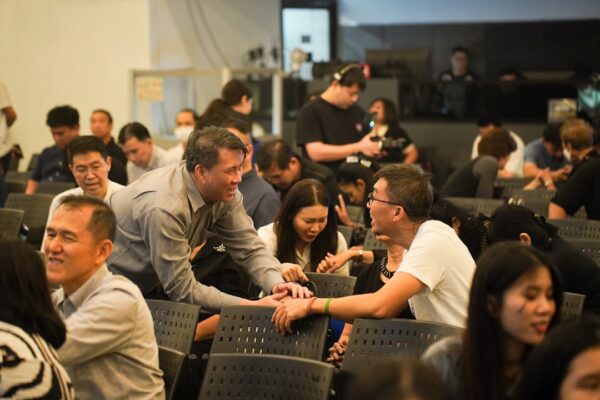
As we embark on our journey through the world of Toastmasters, we find ourselves immersed in a community dedicated to enhancing communication and leadership skills. Toastmasters International, founded in 1924, has become a global platform where individuals from diverse backgrounds come together to hone their public speaking abilities. One of the most powerful tools we have at our disposal in this endeavor is storytelling. Storytelling transcends mere words; it connects us on a deeper level, allowing us to share experiences, convey messages, and inspire others. In Toastmasters, we learn not only how to tell stories but also how to weave them into our speeches to create a lasting impact.
In our meetings, we often witness the magic that unfolds when a speaker shares a personal narrative. These stories resonate with us, drawing us in and making us feel as though we are part of the experience. Whether it’s a tale of triumph over adversity or a humorous anecdote from everyday life, storytelling serves as a bridge that connects the speaker and the audience. As we explore the art of storytelling within the framework of Toastmasters, we discover that it is not just about entertaining; it is about engaging, educating, and empowering ourselves and others.
The Power of Personal Stories in Communication
When we think about effective communication, personal stories emerge as one of the most potent tools at our disposal. They allow us to share our unique perspectives and experiences, making our messages more relatable and memorable. Personal stories have the ability to evoke emotions, create empathy, and foster connections among individuals. In Toastmasters, we often emphasize the importance of authenticity in our speeches, and personal stories are a perfect avenue for showcasing our true selves.
As we share our experiences, we invite our audience into our world, allowing them to see things through our eyes. This connection can be transformative; it encourages listeners to reflect on their own lives and experiences. When we tell a story that resonates with others, we create a shared understanding that transcends cultural and linguistic barriers. In this way, personal stories become a universal language that speaks to the heart of human experience.
Crafting Compelling Storytelling Speeches
Crafting a compelling storytelling speech requires careful thought and creativity. We must begin by identifying the core message we wish to convey through our story. What lesson do we want our audience to take away? Once we have established this foundation, we can begin to build our narrative around it. A well-crafted story typically includes elements such as a relatable protagonist, a conflict or challenge, and a resolution that ties everything together.
As we develop our story, we should also consider the pacing and tone. A compelling narrative often ebbs and flows, drawing the audience in with moments of tension and releasing them with resolution. We can enhance our storytelling by incorporating vivid imagery and sensory details that transport listeners into the scene. By painting a picture with our words, we allow our audience to visualize the story as if they were experiencing it firsthand.
The Importance of Structure and Flow in Storytelling
Structure is a crucial element in storytelling that can significantly impact how our message is received. A well-structured story typically follows a clear arc: introduction, rising action, climax, falling action, and conclusion. This framework helps guide our audience through the narrative, ensuring they remain engaged from start to finish. In Toastmasters, we often practice organizing our speeches in a way that enhances clarity and flow.
As we work on structuring our stories, we should also pay attention to transitions between different sections. Smooth transitions help maintain the momentum of the narrative and keep the audience engaged. We can use phrases or questions that link one part of the story to another, creating a seamless flow that captivates listeners. By mastering structure and flow, we can elevate our storytelling skills and create speeches that resonate long after they are delivered.
Using Vocal Variety and Body Language to Enhance Storytelling
In addition to the words we choose, how we deliver them plays a significant role in storytelling. Vocal variety—altering pitch, tone, volume, and pace—can add depth and emotion to our narratives. When we vary our voice to match the mood of the story, we create an immersive experience for our audience. For instance, speaking softly during an intimate moment can draw listeners in, while raising our voice during a climactic point can heighten tension.
Body language is another powerful tool that enhances storytelling. Our gestures, facial expressions, and posture can convey emotions and reinforce the message we are trying to communicate. When we use purposeful movements and expressions that align with our words, we create a more dynamic presentation. In Toastmasters, we often practice incorporating these elements into our speeches to ensure that our storytelling is not only heard but also felt.
Engaging the Audience Through Storytelling Techniques
Engaging an audience is essential for effective storytelling. One technique we can employ is asking rhetorical questions throughout our narrative. This invites listeners to reflect on their own experiences and encourages them to connect with the story on a personal level. Additionally, incorporating pauses at strategic moments allows us to build suspense and gives the audience time to absorb what has been said.
Another effective technique is using relatable characters or situations within our stories. When listeners see themselves in the narrative, they are more likely to stay engaged and invested in the outcome. We can also encourage audience participation by inviting them to share their thoughts or experiences related to the story being told. This interaction fosters a sense of community and makes the storytelling experience more memorable for everyone involved.
Incorporating Humor and Emotion in Storytelling
Humor is an invaluable tool in storytelling that can break down barriers and create an atmosphere of openness. When we infuse humor into our narratives, we not only entertain but also make ourselves more relatable as speakers. A well-placed joke or light-hearted anecdote can lighten the mood and draw listeners in, making them more receptive to the message we wish to convey.
Emotion is equally important in storytelling; it allows us to connect with our audience on a deeper level. By sharing moments of vulnerability or joy, we invite listeners into our emotional landscape. This connection can evoke empathy and understanding, making our stories resonate long after they are told. In Toastmasters, we often encourage each other to embrace both humor and emotion in our speeches, recognizing their power to engage and inspire.
Overcoming Stage Fright and Nervousness in Storytelling
For many of us, standing before an audience can be daunting. Stage fright is a common experience that can hinder our ability to tell stories effectively. However, Toastmasters provides us with a supportive environment where we can practice overcoming these fears together. One effective strategy is visualization; by imagining ourselves delivering a successful speech before stepping on stage, we can build confidence.
Breathing techniques also play a crucial role in managing nervousness. Taking deep breaths before speaking helps calm our nerves and centers us in the moment. Additionally, focusing on the message rather than on ourselves can shift our attention away from anxiety and toward connecting with the audience. As we support one another through these challenges in Toastmasters, we learn that overcoming stage fright is not just about individual courage; it’s about collective encouragement.
Receiving Constructive Feedback and Improving Storytelling Skills
Feedback is an essential component of growth in any skill set, including storytelling. In Toastmasters meetings, we have the opportunity to receive constructive feedback from fellow members after delivering our speeches. This feedback helps us identify areas for improvement while also highlighting what worked well in our storytelling.
When receiving feedback, it’s important for us to approach it with an open mind. We should view constructive criticism as an opportunity for growth rather than as a personal attack. By actively seeking out feedback from others and implementing their suggestions into future speeches, we can refine our storytelling skills over time. This process not only enhances our abilities but also fosters a culture of support within the Toastmasters community.
Applying Storytelling Techniques in Professional and Personal Settings
The skills we develop through storytelling in Toastmasters extend far beyond the confines of club meetings; they are applicable in both professional and personal settings. In the workplace, effective storytelling can enhance presentations, team meetings, and even networking opportunities. By sharing compelling narratives about projects or experiences, we can engage colleagues and clients alike.
In personal settings, storytelling allows us to connect with friends and family on a deeper level. Whether recounting a memorable vacation or sharing life lessons learned along the way, personal stories enrich our relationships by fostering understanding and empathy. As we apply these techniques in various aspects of our lives, we become more effective communicators overall.
Embracing the Toastmasters Approach to Storytelling
As we conclude this exploration of storytelling within Toastmasters, it becomes clear that this art form is not merely about sharing tales; it is about forging connections and inspiring change. Through personal narratives, structured speeches, vocal variety, body language, humor, emotion, and audience engagement techniques, we have the tools necessary to captivate any audience.
By embracing the Toastmasters approach to storytelling—one rooted in practice, feedback, and support—we empower ourselves to become more confident communicators. As we continue on this journey together within Toastmasters International, let us remember that every story has the potential to make an impact; it is up to us to share those stories with authenticity and passion.
FAQs
What is the Toastmasters approach to storytelling?
The Toastmasters approach to storytelling emphasizes clear structure, engaging delivery, and audience connection. It encourages speakers to use personal experiences, vivid imagery, and emotional appeal to make their stories memorable and impactful.
How does Toastmasters help improve storytelling skills?
Toastmasters provides a supportive environment where members practice public speaking regularly. Through prepared speeches, evaluations, and impromptu speaking sessions, members receive constructive feedback that helps refine their storytelling techniques and build confidence.
What are the key elements of a successful story according to Toastmasters?
According to Toastmasters, a successful story includes a clear beginning, middle, and end, relatable characters, a central message or theme, and emotional engagement. Effective use of voice modulation, gestures, and pacing also enhances the storytelling experience.
Can Toastmasters storytelling techniques be used in professional settings?
Yes, the storytelling techniques taught by Toastmasters are highly applicable in professional settings. They help individuals communicate ideas more persuasively, build rapport with colleagues or clients, and make presentations more engaging and memorable.
Is prior experience necessary to join Toastmasters for storytelling improvement?
No prior experience is necessary. Toastmasters welcomes individuals at all skill levels, from beginners to advanced speakers. The program is designed to help members progressively develop their storytelling and public speaking abilities through practice and feedback.